Esophageal Varices: Why Can Cirrhosis Cause Internal Bleeding?
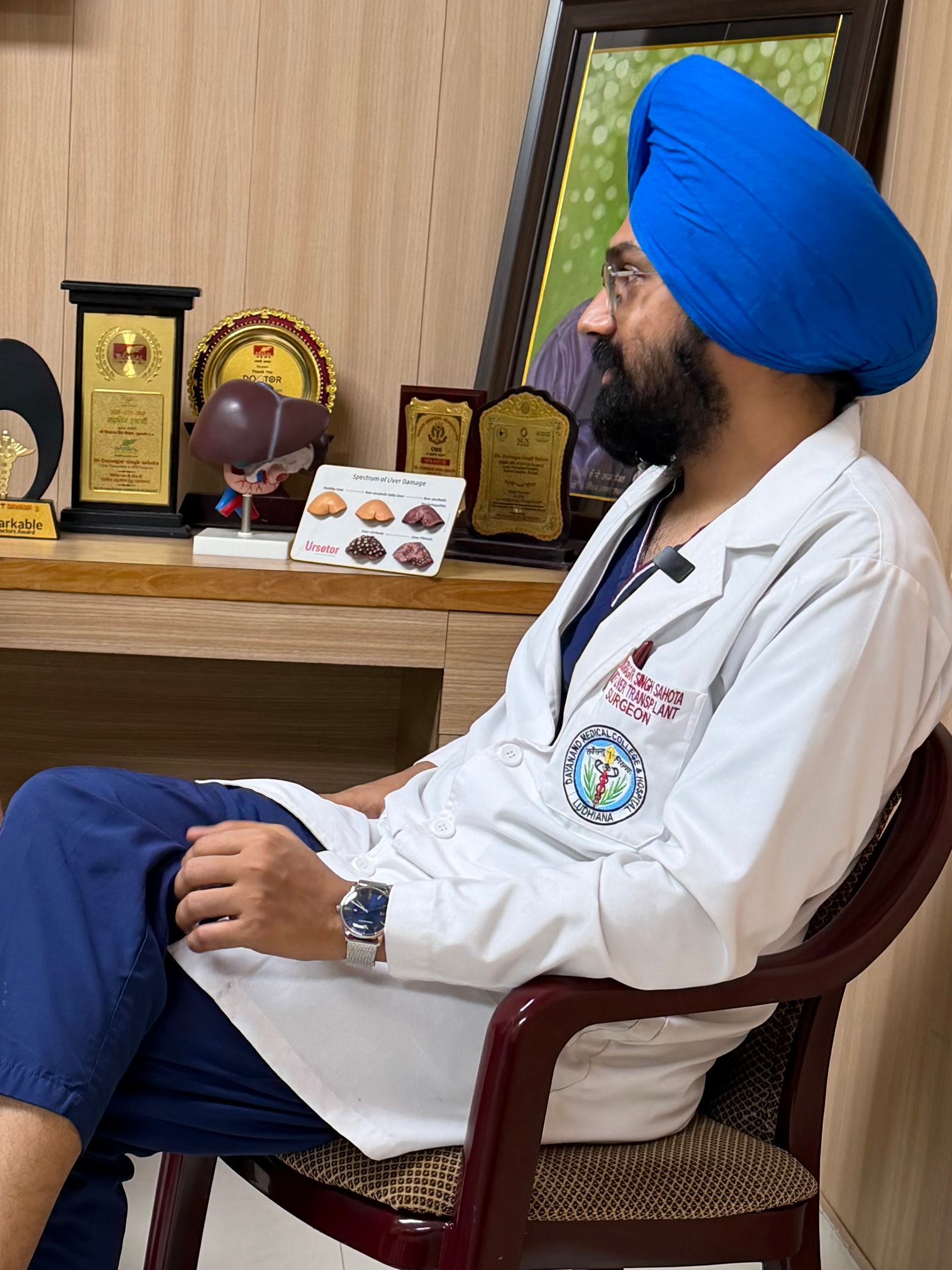
By Dr. Gursagar Singh Sahota | LiverGuru
When people think about the complications of liver cirrhosis, they often think of jaundice, swelling of the abdomen, weakness, or liver failure. But one of the most serious and potentially life-threatening complications of advanced cirrhosis is bleeding from esophageal varices.
Esophageal varices are enlarged veins in the lower part of the food pipe, or esophagus. They develop primarily because cirrhosis increases the pressure within the portal venous system—a condition known as portal hypertension.
The concerning feature is that varices may cause no symptoms at all until they suddenly rupture and bleed.
Understanding how varices develop, how they are detected, and which warning signs require emergency attention is an important part of caring for anyone with cirrhosis.
What Are Esophageal Varices?
Esophageal varices are enlarged and fragile veins in the esophagus.
Normally, blood from the stomach and intestines travels through the portal vein to the liver. The liver processes this blood before it eventually enters the body's general circulation.
In cirrhosis, extensive scarring changes the normal architecture of the liver and makes it more difficult for blood to pass through it. As resistance to blood flow increases, pressure rises within the portal venous system.
This is called portal hypertension.
The body then attempts to redirect blood through alternative pathways. Some of these pathways involve small veins around the esophagus and stomach. As more blood is diverted through them, these veins can enlarge and become varices.
How Does Cirrhosis Cause Esophageal Varices?
The process can be understood in a simple sequence:
Chronic liver injury → Fibrosis → Cirrhosis → Increased resistance to blood flow → Portal hypertension → Collateral veins enlarge → Esophageal varices → Risk of bleeding
1. Liver scarring develops
Long-term liver injury—from conditions such as viral hepatitis, alcohol-related liver disease, metabolic dysfunction-associated steatotic liver disease, and other causes—can lead to fibrosis and eventually cirrhosis.
2. Blood encounters resistance inside the liver
As cirrhosis progresses, the normal structure of the liver becomes distorted. Blood passing through the liver encounters greater resistance.
3. Pressure rises in the portal venous system
The increased resistance causes pressure to build up in the portal circulation. This is known as portal hypertension.
4. Blood looks for alternative routes
Because blood still needs to return to the heart, the body develops and enlarges alternative connections between the portal and systemic circulations. These are called portosystemic collaterals.
5. Esophageal veins become enlarged
Some of these collateral veins are located in the lower esophagus. They can gradually become enlarged, tortuous, and fragile.
These are esophageal varices.
6. A varix can rupture
When pressure within a varix becomes sufficiently high, its thin wall may rupture. This can result in sudden and severe upper gastrointestinal bleeding.
Why Is Variceal Bleeding So Dangerous?
Variceal bleeding is a medical emergency.
Unlike many small gastrointestinal bleeds, bleeding from esophageal varices can be rapid and substantial. A patient can lose a significant amount of blood in a short period.
Severe blood loss may lead to:
- A fall in blood pressure
- Rapid heartbeat
- Dizziness or fainting
- Reduced blood flow to vital organs
- Shock
- Potentially life-threatening complications
The risk is particularly concerning because a person may have had no warning symptoms before the bleeding begins.
This is why prevention, appropriate screening, and timely treatment of high-risk varices are such important components of cirrhosis care.
Can You Have Esophageal Varices Without Knowing?
Yes.
Many patients with esophageal varices have no symptoms.
A person can feel relatively well while varices are developing. They may only be discovered during an upper gastrointestinal endoscopy, also called an upper GI endoscopy or esophagogastroduodenoscopy (EGD).
During endoscopy, the doctor can directly examine the esophagus and stomach and determine whether varices are present and whether they have features associated with a higher risk of bleeding.
Not every patient with cirrhosis has the same risk of developing varices, so the need and timing of endoscopic evaluation should be determined according to the patient's liver disease, portal hypertension, and overall clinical risk.
What Are the Warning Signs of Variceal Bleeding?
The most important warning signs include:
Vomiting blood
Blood may be bright red or may appear dark and resemble coffee grounds.
Black, tarry stools
Bleeding from the upper digestive tract can produce black, sticky, tar-like stools, known as melena.
Dizziness or fainting
Significant blood loss can cause blood pressure to fall, resulting in dizziness, weakness, or loss of consciousness.
Weakness and rapid heartbeat
The body responds to blood loss by increasing the heart rate. Severe bleeding can cause profound weakness.
Pale, cold, or clammy skin
These may be signs of significant blood loss and developing circulatory shock.
Vomiting Blood in a Patient With Cirrhosis Is an Emergency
If a person with cirrhosis vomits blood or develops black, tarry stools, they should seek emergency medical attention immediately.
Do not wait to see whether the bleeding stops by itself.
Variceal bleeding can deteriorate rapidly and requires urgent hospital-based management. Treatment may involve resuscitation, medications to reduce portal pressure and control bleeding, urgent endoscopy, and—in selected situations—interventional procedures such as TIPS (transjugular intrahepatic portosystemic shunt).
The exact treatment depends on the severity of bleeding and the patient's overall condition.
How Are Esophageal Varices Diagnosed?
The traditional definitive test is upper gastrointestinal endoscopy (EGD).
A thin, flexible camera is passed through the mouth to examine the esophagus, stomach, and upper part of the small intestine.
Endoscopy can help doctors determine:
- Whether esophageal or gastric varices are present
- Their size and appearance
- Features associated with a higher risk of bleeding
- Whether there is active bleeding
- Whether another source of upper gastrointestinal bleeding is present
Importantly, modern cirrhosis care does not focus only on treating bleeding after it occurs. The goal is also to identify patients at risk and prevent the first episode of variceal hemorrhage whenever possible.
Depending on the patient's condition, doctors may use medicines such as non-selective beta-blockers and/or endoscopic treatment to reduce the risk of bleeding.
Can Variceal Bleeding Be Prevented?
In many patients, the risk can be reduced significantly through appropriate cirrhosis management.
Prevention may include:
Regular liver disease follow-up: Monitoring the progression and complications of cirrhosis helps identify patients who require intervention.
Screening for clinically significant portal hypertension: Assessment may involve clinical findings, laboratory tests, imaging, elastography, and endoscopy depending on the individual patient's situation.
Medications: Certain patients may benefit from non-selective beta-blockers to reduce portal pressure and lower the risk of variceal bleeding.
Endoscopic therapy: High-risk varices may sometimes require endoscopic treatment, particularly when indicated by the patient's clinical situation.
Avoiding further liver injury: Treating the underlying cause of cirrhosis and avoiding factors that accelerate liver damage remain fundamental.
The appropriate strategy is individualized rather than being the same for every person with cirrhosis.
A Serious Complication—but One We Can Often Anticipate
One of the most important lessons about esophageal varices is that the absence of symptoms does not necessarily mean the absence of risk.
Cirrhosis can silently cause portal hypertension. Portal hypertension can silently produce varices. And varices can remain silent until they bleed.
That is why patients with cirrhosis should not wait for symptoms before discussing complications with their liver specialist.
At LiverGuru, our approach to cirrhosis is not simply to treat complications after they appear. The aim is to understand the stage of liver disease, identify complications early, reduce preventable risks, and determine when advanced therapies—including liver transplantation—may need to be considered.
When Should You Seek Emergency Help?
If a person with known or suspected cirrhosis develops:
- Vomiting of blood
- Coffee-ground-like vomit
- Black, tarry stools
- Fainting or severe dizziness
- Sudden severe weakness
- Signs of shock
Treat it as an emergency and seek immediate medical attention.
Early recognition and rapid treatment can make a critical difference.
Dr. Gursagar Singh Sahota
Liver Transplant & Hepatobiliary Surgery | LiverGuru